We choose teas depending on the taste given by their ingredients, the smell they give off or the properties they have. But if they are not stored properlyător, teas lose these properties. To enjoy our favourite teas for as long as possible, we need to store them in shareții optimal, i.e. at room temperature, protected from light and moisture, in airtight containers.
Even if it is more convenient to keep the tea near the stove to brew it as quickly as possible in the morning, it is best to avoid storing it near a heat source because the tea will soon lose its freshness. To understand how to store tea most effectively, we first need to know what harms it:
- Air
- Light
- Smells
- Heat
- Moisture
If we want to store our tea in optimal conditions to enjoy its freshness and benefits, here are the rules to keep in mind:
1. Tea should be kept in a sealed tin The container in which you keep the tea should be as airtight as possible. In theory, no air gets in at all when you immerse it in water and no water gets into the tea. By making a tea canister airtight, we take care that no moisture, dampness or unpleasant smells get into the tea. Tea leaves continue to oxidize over time if exposed to oxygen.
2. Do not expose tea to light
Light is not good for tea. Avoid glass containers or if you have them, don't keep them in the light. The effects of light on tea have not been thoroughly studied, but it has been found that dried leaves exposed to light taste "metallic".
3. Avoid metal
Avoid or be careful with metal containers. Metal containers have the disadvantage that they form condensation very quickly. Condensate means moisture, and this is one of the most damaging things to tea.
If you still have metal containers, be careful not to open them in places where condensation can quickly form, for example in the kitchen when cooking.
4. Tea should be kept away from heat
Heat accelerates oxidation (and stops it, but in monitored processes).
However, it should be noted that some tea specialists do not recommend refrigerating or freezing tea leaves.
5. Tea should be protected from strong odours
The tea leaves will borrow the strong smells around them. So don't store tea in the kitchen, near spices or near other strong-smelling toxic or non-toxic substances. Avoid storing tea in plastic or wooden pots.
6. Tea should be kept away from moisture
Tea is hygroscopic and will absorb moisture from the surrounding environment. By absorbing moisture from the surroundings, tea leaves lose their flavour. An airtight canister is all you need to block these processes.
7. Tea should be stored in bulk, loose
More tea stored in a sealed box means less oxygen to oxidise the tea leaves. So, fill your tea boxes for optimal storage. This rule is also very important in the ageing process of tea.
Avoid shops that do not respect these rules.
Additional recommendations:
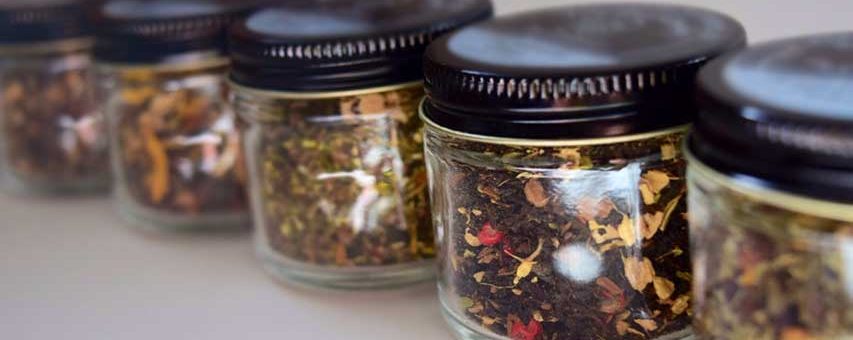
Airtight boxes for tea storage
- Don't buy more tea than you need. The general shelf life for tea is 2 years in a cool, dark place.
- Try to buy only as much tea as you can consume in 6 months, maximum 1 year.
- Any type of tea can be kept longer if you put oxygen-absorbing sachets in the tea container.
The following rules have been organised to make it as easy as possible for you to keep your tea. If you know your tea well enough, you'll find storage solutions even if you "break" these rules.