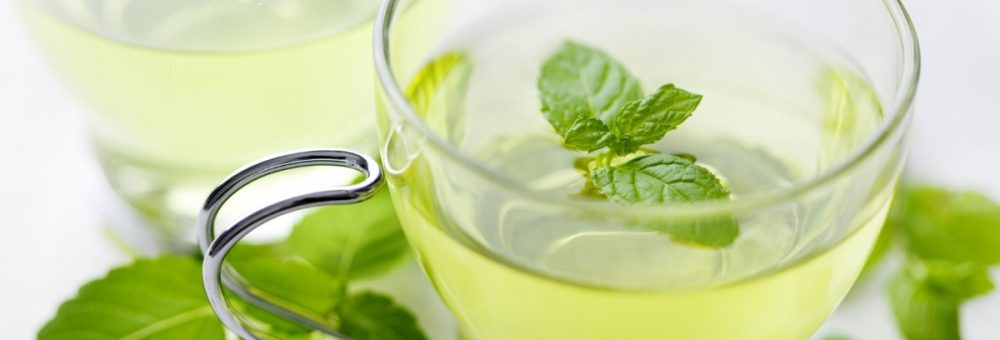
Fresh mint leaves have been used since ancient times to treat ailments, and ancient Arabic cuisine has found this fragrant herb to be a tasty ingredient in the kitchen.
Mint preparations, excellent remedies on hot days
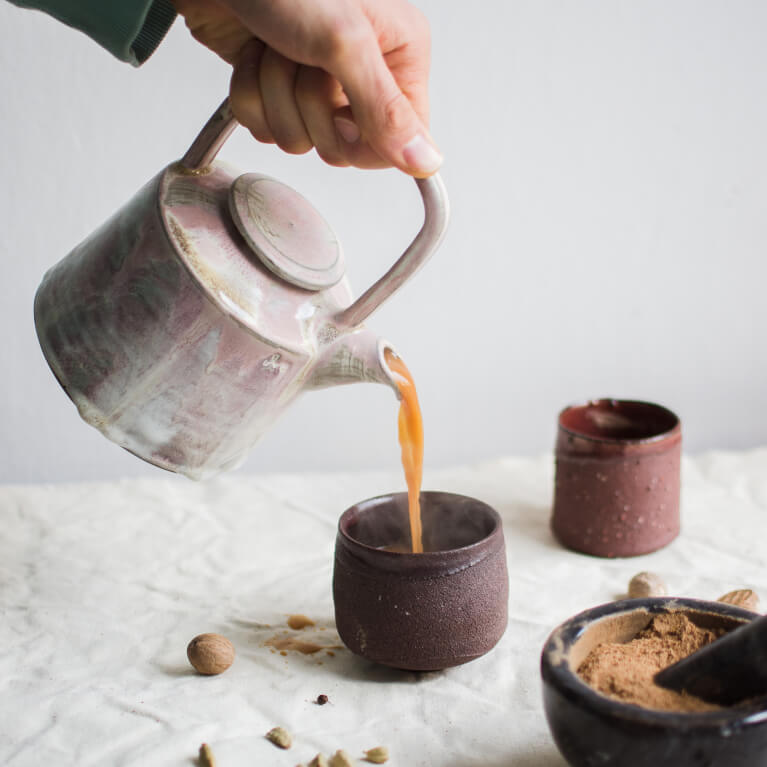
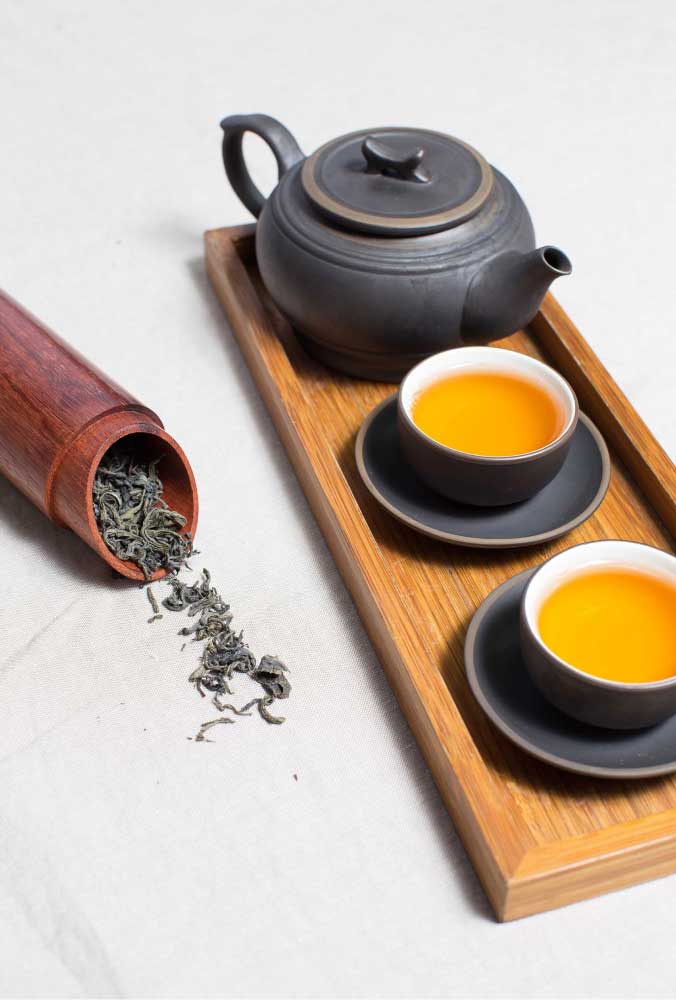
All mint preparations: infusion, oil, vinegar, wine, tincture, as well as the aromatic mint water are excellent remedies especially in hot weather.
On hot days, in combination with lemon, mint tea cools and hydrates us, giving the body energy. At the same time, the aromatic plant is also an excellent condiment, used in gastronomy, added to salads and sauces for its unmistakable cooling effect.
Legend has it that the nymph Minthe fell in love with the god Hades, arousing Persephone's jealousy. To rid her of his wife's wrath, Hades transformed the nymph Minthe into a fragrant plant, as pleasing as her face.
Native to the Mediterranean basin, mint was once prized by the Greeks and Romans. These peoples are said to have spiced their wines and sauces with mint and decorated festive meals with bunches of mint. Since those distant times, mint has remained a symbol of hospitality and cheerfulness, because anyone who appreciates its aroma is in a good mood.
For toothaches, crushed mint root was held in the mouth and macerated in brandy. Tea was also taken for coughs, chills and chest pains, and to ease childbirth. Cold mint tea was drunk against heart pains. The tea was also used for insomnia and to calm a stressed body.
Mint contains exceptional active substances
Thanks to its exceptional active substances, peppermint has a sedative, disinfectant, external healing, antidiarrheal, antiperspirant, pain relieving and intestinal transit regulating effect. The leaves and all parts of the plant contain essential oils, lipids, phenolic acids, tannins, paraffin mixtures, flavonoids, carbohydrates, enzymes, along with vitamins C, D2 and numerous mineral salts such as potassium, calcium, phosphorus, magnesium, iron, manganese, zinc, boron, copper and molybdenum.
Did you know that the plant also has lesser known therapeutic effects?
Izma treats a variety of ailments, from gastrointestinal pain, indigestion and anxiety. In his pleadings about this plant, Eugen Giurgiu, PhD in biochemistry, with expertise in phytotherapy and nutrition, says: "Good Izma is the species of medicinal mint that contains the most effective active principles and curative properties. The important active substances contained in this plant, such as menthol (a valuable essential oil), antibiotic compounds and mineral substances have a strong antiseptic and soothing action. This is why phytotherapist Eugen Giurgiu, in his studies, draws the attention of herb lovers to the fact that mint also has lesser-known therapeutic effects: as an infusion, mint invigorates the nervous system and gets the blood moving. What's more, a course of mint preparations: infusion, oil or syrup invigorates the whole body, combats palpitations and anxiety. Used in three to four week courses, isma infusion improves liver function, bile secretion and soothes irritable bowel. At the same time, peppermint syrup is tonic and shortens the convalescence period after colds and flus".
Due to its potassium content, peppermint tea keeps high blood pressure under control and is very useful for hypertensive patients. It also works wonders in the fight against heart disease.
Good to know!
Drink two teas a day, and avoid excess, as mint is constipating.
*Materials on this website are for information purposes only. Before starting any kind of herbal treatment you should do an allergy test for the respective types of products. If you suffer from chronic illnesses or are taking medication, we recommend that you consult your doctor before starting a cure or herbal treatment.