Nettle
Nettle
Uniplant
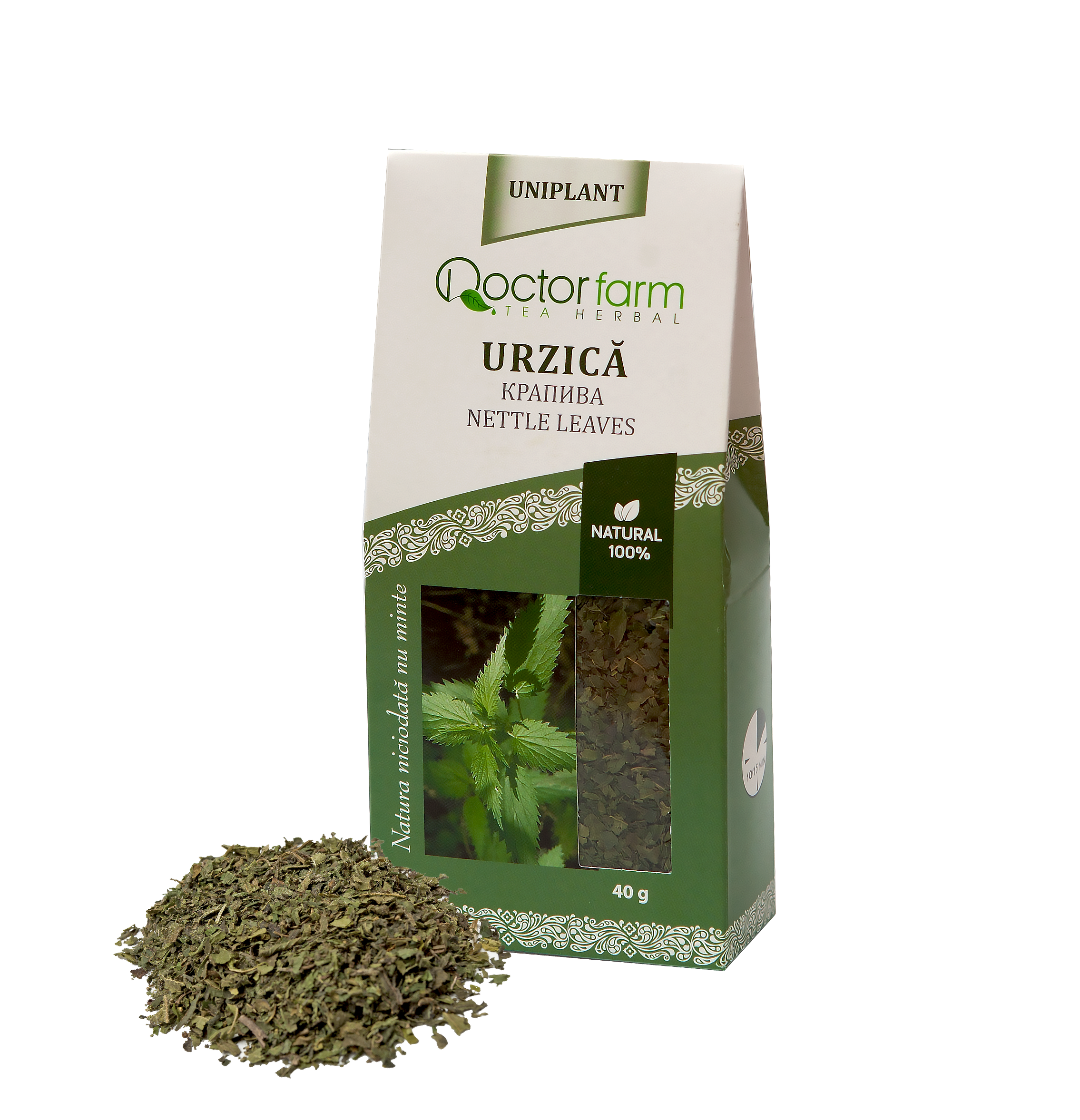
Nettle
Traditionally it is used as a general tonic, vitaminizing, remineralizing and depurative.
Preparation: Infusion. Add 200 ml of boiling water to one teaspoon of the vegetable product, cover and leave to infuse for 5-10 min.
How to use: 1-2 cups per day.
Storage conditions: Store in a clean, dry, well-ventilated place at a relative humidity of maximum 70%.
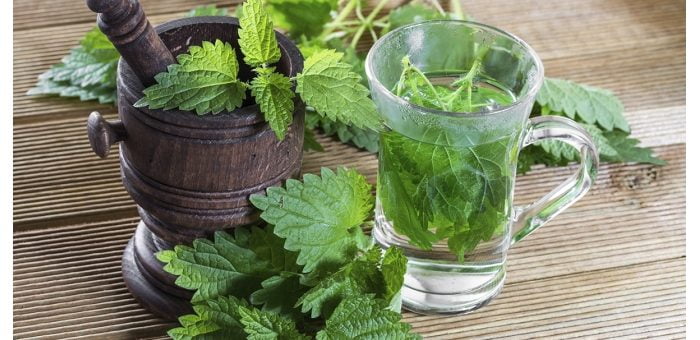
NETTLE, THE PLANT THAT VITAMINS AND MINERALISES OUR BODY
Known since ancient times as a food, medicinal and textile plant, nettle has been used by all the peoples of Europe, including the ancient Greeks, Latins and Geto-Dacians. From that time, nettle was known as 'Mart's weed', being likened to Mars, the god of war, because of the aggressive properties of the nettle-like stalks on its leaves and stems.Considered a sacred plant, live nettle is eaten throughout Lent, necessarily on Lent, Easter Week and Easter Saturday.
Nettles, unparalleled natural medicines
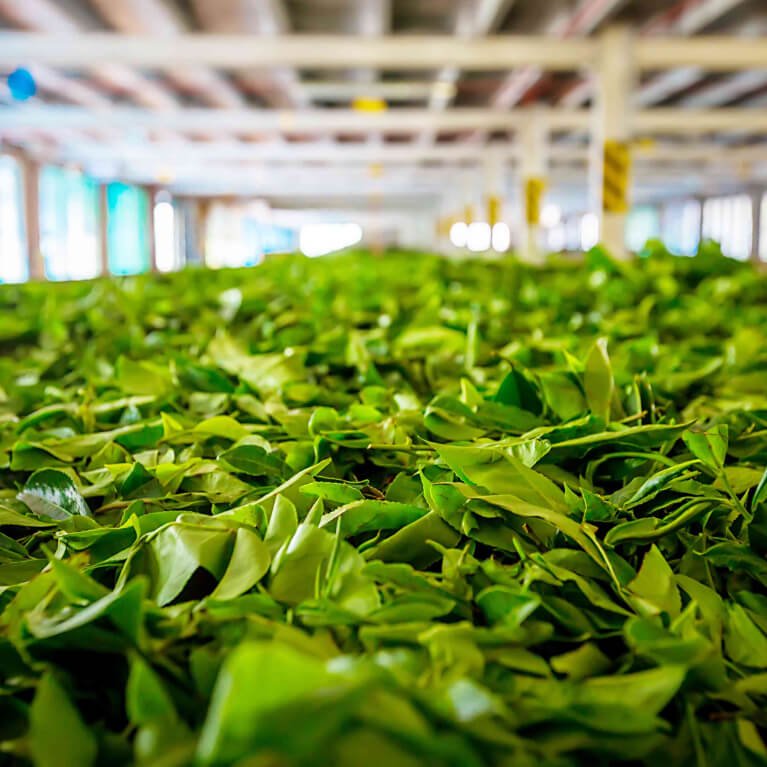
For food purposes, the aerial part of young plants is harvested immediately after sprouting, or only the leaves gathered with a glove, by strujire, until flowering. They are used fresh in various dishes or dried, kept in the shade in a thin layer in well-ventilated rooms, then stored in cloth bags.For medicinal purposes, the whole plant (leaves, herbs, roots, seeds) is harvested, as all the plant parts have therapeutic properties. Harvesting can continue until October. Allow to wither to lose the stinging properties and then dry in the shade. The roots are pulled out of the ground in spring and autumn, washed and dried in the sun or in well-ventilated places.
Therapeutic properties of nettles
They are the result of this complex of active principles found in all the plant's organs:- antianemic, energizing, vitaminizing, mineralizing, depurative (in cleansing the blood of toxins), tonic, antirachitic;- in digestive disorders, it has hepatoprotective, antimicrobial, gastrosecretory, antidiarrheal, antihemorrhagic, aperitive, anthelmintic effects;- in the respiratory system, it has expectorant, emollient, antitussive, antiasthmatic, antibronchitic, anti-inflammatory properties;- for kidney health, it is diuretic and drains excess urea, creatinine and uric acid; - in cardiovascular diseases, it activates blood circulation, vasoconstricts and fluidises the blood;- in general metabolism, it is a good hypoglycaemic (antidiabetic), anti-cellulite, anti-rheumatic, immunostimulant; - in external applications, it has astringent, antiseptic, healing, epithelialising, haemostatic, revulsive, rubefacient, antiseborrhoeic, deodorising and insecticidal actions.
Nettle cure, suitable for all ages
A sustained course of nettles, taken in various forms, has favourable effects on a wide range of diseases: digestive, genital, renal, pulmonary, cardiovascular, rheumatic.It prevents and combats digestive diseases:- hyperacid gastritis caused by tobacco and coffee abuse, gastric and duodenal ulcers, prevents gastric cancer, stimulates gastric, pancreatic and intestinal secretions;- hepatitis, biliary lithiasis, cirrhosis and ascites;- digestive atony (indigestion), mild constipation (one teaspoonful of root powder taken 15 minutes before meals), diarrhoea, or diarrhoea caused by tuberculosis, dysentery, acute and chronic enteritis; - combats mild digestive haemorrhages (4-6 tablespoons of dried leaf powder are taken in a day); - inhibits the development of pathogens and intestinal parasites.In genital diseases it has effects in:- preventing and combating uterine bleeding after childbirth (nettle, associated with traista-chobanum and wicker), hypermenorrhoea (heavy and irregular menstruation), dysmenorrhoea, leukorrhoea ("white poultice", treated with fresh leaf juice - ˝ glass in the morning and evening, in 10-day courses, consecutively), atrophic vaginitis;- female and male sterility (nettle seed powder - 1 teaspoonful 3 times a day).
In kidney diseases, nettle preparations are effective in:- renal calculosis, renal infection;- urinary retention, uremia (infusion from leaves, nettle roots, consuming one litre tea per day instead of drinking water), reduction of urea, uric acid and creatinine;- cystitis, enuresis (urinary incontinence); - prostatitis and benign prostatic hyperplasia (tincture - 20 drops 3 times a day, in courses of 3-4 weeks); - gout, causing diuresis due to the presence of flavonoids.In pulmonary diseases, it is effective for:- bronchitis and bronchial asthma, fluidifying bronchial secretions (due to mucilage);- dry and convulsive coughs, frequent colds, chest pains;- pneumonia, chills, haemoptysis, tuberculosis (decoction of nettle roots and leaves with honey and white honeycomb, in 1-2 month courses, or powder of dried leaves, taken with honey, in equal proportions).
In cardiovascular diseases, nettle tincture is effective in arteritis and as a massage in the heart area. In metabolic disorders (diabetes mellitus, obesity), a 3-week course of treatment is recommended, repeated throughout the year, using a mixture of nettles, bean husks and mulberry and walnut leaves.In degenerative and gouty rheumatism, polyarthrosis, lumbago and sciatica, nettle tincture (20-30 drops, 3 times a day) is used as a long-term course.A 4-week course of nettle leaf infusion (2-3 times a day) is recommended for the revitalisation of weak, anaemic, rickety, convalescent bodies and for athletes.
Nettle puree, effective in skin diseases
Nettle preparations are particularly effective in healing suppurating wounds, varicose veins, varicose ulcers, gangrene, urticaria, psoriasis, chronic eczema, burns, freckles, lichens, calluses, brittle and brittle nails, dermatitis allergies, tumours and skin cancer. Local baths are made with concentrated infusion of leaves and roots (6-10 tablespoons per litre of boiling water), with healing and epithelializing effects. Fresh leaves crushed with a little salt and poultices of nettle puree can also be applied for various skin ailments, including bee, wasp and bumblebee stings.In rheumatism, lumbago, polyarthrosis and sciatica, the treatment inherited from the ancient Greeks and Latins is still applied, consisting of repeated flogging (beating) 10-12 times with bunches of fresh nettles on the painful places, with strong revulsive, analgesic, anti-inflammatory and blood circulation activating effects. The same procedures are applied in cases of paralysis and apoplexy. After flagellation, the patient is not allowed to come into contact with cold water and will lie down, well wrapped. The beneficial effect of stinging is explained by the release of histamine and serotonin, both of which play a role in alleviating the sensation of pain.In combination with internal treatments, in courses of several months, stinging nettle helps osteoporosis by its ability to restore thinned cartilage, especially in women after menopause. The action is due to the plant's richness in vitamins and mineral salts, particularly silicon.
Nettle extract strengthens hair roots
Nettle is used in toothpaste, shampoos and in tinctures with anti hair loss effects, helping to restore lost hair.The decoction of 3-5 tablespoons of dried leaves to a litre of water, to which nettle and burdock roots, thyme herb, lavender flowers, birch and walnut leaves, hop cones are added, with the addition of a few tablespoons of vinegar, is very valuable.It is used in weekly baths on the head to strengthen the roots of the hair, to degrease the greasy hair and to combat alopecia, seborrhoea and dandruff. The same mixture is also used to make a tincture (100 g of the plant to a litre of 400 proof alcohol, which is steeped for 8-14 days). Massage the roots of the hair at 2-3 day intervals to activate growth, followed by vigorous brushing with a rough brush on the scalp. Cranberry leaves, flowers and fresh horsetail seeds can be added to the mixture.
Nettle salads cleanse the blood
Due to their high content of protein, vitamins and mineral salts, young nettles are used with great success in spring food cures for at least one month in various forms of culinary preparations (salads, soups, broths, meat dishes, mashed potatoes, pilaf, potato meatballs, pie fillings, juices).Salads are made only from nettles, rubbed with salt to stop them blistering, or in combination with dandelion and lettuce leaves (in equal parts), with a little oil and lemon juice. Can be prepared: nettle salad with egg; 150 g fresh nettle leaves are washed, blanched for 5 minutes, drained, finely chopped and mixed with a little apple cider vinegar and salt, possibly with 20 g cream. These salads have miraculous blood-preserving effects, cleansing the blood of toxins and revitalising and vitaminising anaemic and debilitated bodies as they come out of winter. The invigorating effect is due to the stimulation of the production of red blood cells, leucocytes and platelets.Nettle soup is prepared from young leaves, which are boiled in salted water, chopped finely, stewed in a little butter, added water (from the boiling water), thickened with flour, dill and a few slices of potato and boiled again.The leaf juice is obtained by strong pressing or in a blender. Dilute five times with water and drink 100-500 ml daily, in the morning on an empty stomach and 30 minutes before meals, in a 3-4 week course. It has diuretic effects in kidney and bladder diseases, removes excess uric acid from the blood and is clearly effective in uterine or nasal haemorrhages (200 ml each before main meals), pulmonary haemoptysis, diabetes (prolonged courses of 500 ml daily, divided into instalments), cancers and in preventing the formation of malignant tumours. The juice can be added to all juice recipes prescribed for anaemic people and women with high menstrual blood loss.Nettle syrup is prepared from fresh juice, boiled in a mixture with an equal part of sugar, until syrupy in consistency.
Constantin I. Milică - professor at the University of Agricultural Sciences and Veterinary Medicine (USAMV) in Iasi.
*Materials on this website are for information purposes only. Before starting any kind of herbal treatment you should do an allergy test for the respective types of products. If you suffer from chronic illnesses or are taking medication, we recommend that you consult your doctor before starting a cure or herbal treatment.