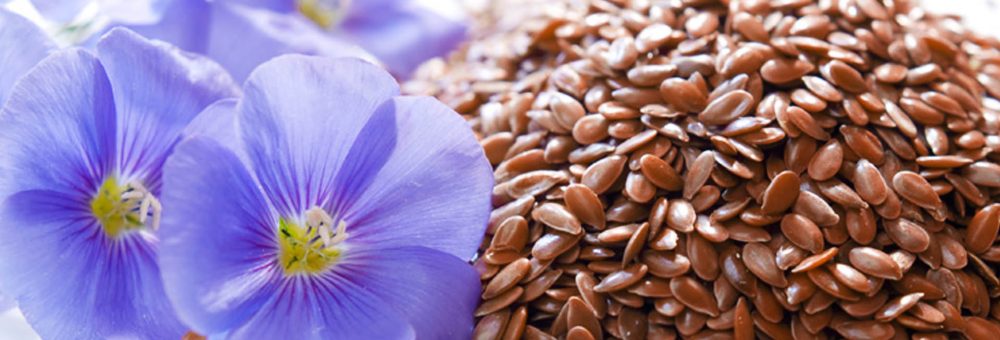
Flaxseed is an important source of alpha-linolenic acid, a substance in the well-known family Omega 3 fatty acids, essential for the body as it protects the cell membrane.
Flaxseed is also rich in fSoluble fibrewith beneficial effects for fighting constipation. The fibres in flaxseed are mainly found in the seed coat. Eaten before a meal, the fibre in flaxseed reduces hunger pangs.
Benefits of flaxseed:
I help youă lose weight - Being rich in healthy fats and fibre, flaxseed keeps you feeling full for a long time. So you'll consume fewer calories and the extra kilos will be gradually eliminated.
Lower "bad" cholesterol levels - According to a study, flaxseed naturally lowers levels of bad LDL cholesterol. Researchers believe that the fibre in flaxseed influences the action of cholesterol and prevents it from being absorbed into the body. The soluble fibre in flaxseed lowers cholesterol, helping to prevent plaque buildup in the arteries.
Flaxseed helps thin the blood, reducing the risk of atherosclerosis. This can reduce theblood pressure, prevents stroke and heart attack. At the same time, the fibre in flaxseed lowers blood sugar levels, which is very important for people who have type 2 diabetes.
They are rich în antioxidants that prevent the signs of ageing and hormonal imbalances. Polyphenols encourage the multiplication of probiotics in the intestines and help prevent intimate infections.
Stimulates digestion - Flaxseed is rich in both soluble and insoluble fibre. These are extremely beneficial for digestion. Two teaspoons of flaxseed, preferably ground just before eating to avoid rancidity, provides 5 grams of fibre, more than enough for trouble-free digestion.
Rich in Omega-3 fatty acids - Flaxseeds are rich in Omega-3 fatty acids, which are known to have a host of health benefits.
Relieves menopausal symptoms - Specialists have found that there is a link between the relief of menopausal symptoms and the consumption of flaxseed. They balance the body's hormones and also prevent the onset of osteoporosis.
- Increased immunity - contain substances that reduce inflammation and allow the immune system to function better. Preliminary research suggests that flaxseed may blunt the symptoms of autoimmune disorders such as rheumatoid arthritis, psoriasis, lupus etc
Prevent cancer - A 2005 study by the American Institute for Cancer Research found that flaxseed reduces the risk of breast cancer. Researchers also believe that flaxseed lowers the risk of ovarian and prostate cancer.
Reduce blood pressure - are beneficial for people diagnosed with hypertension. According to Greek researchers, constant consumption of flaxseed reduces blood pressure.
Effective in treating depression - Japanese researchers believe that flaxseed is highly effective in treating depression, consumed in parallel with the treatment recommended by the doctor. According to them, patients diagnosed with depression are deficient in eicosapentaenoic acid, an omega fatty acid found in abundance in flaxseed.
Beneficial for liver disease - flaxseed protects the liver from disease and is even recommended for people with alcohol problems.
How you can introduce flaxseed into your diet
In cake batter - you can incorporate flaxseed into the batter of homemade cookies you make.
In smoothies and shakes - you can add ground flaxseed on the spot to any drink you make at home. This superfood will boost the nutritional qualities of any smoothie.
In yoghurt - put 2 teaspoons of flaxseed in the yoghurt you eat for breakfast or as a snack.
In cream soups - you can add flax seeds to cream of vegetable soup.
Recent studies show that frequent consumption of flaxseed (about 50 g per day) can help reduce cholesterol levels in people suffering from hypercholesterolemia.
Eating flaxseed ensures cardiovascular protection, prevents the incidence of osteoporosis and mitigates symptoms of menopause. At the digestive level, linseed helps prevent and even eliminate gallstones.
Flaxseed has beneficial effects on the nervous system, contributing to combating fatigue.
Flax seeds - benefits for beauty
In the form of oil, linseed is just as effective for hair and nail health, accelerating healing of skin lesions.
Linseed oil is beneficial not only in a vegetarian diet (it can successfully replace fish oil), but it can also do great good for the hair, thanks to the nutrients it contains: vitamins and mineralbut especially fatty acids.
Put a small amount of flax seed oil in the palms of your hands and distribute it evenly over the scalp and the length of the hair.
Precautions
People suffering from inflammatory bowel disease, such as Crohn's disease, should avoid flaxseed because of its laxative effects. Pregnant women and breastfeeding mothers should not consume flaxseed, as should women suffering from fibroid, endometriosis or endometriosis disease. polycystic ovary. Men who are at increased risk of developing prostate cancer should exclude flaxseed from their diet. It is important to have your doctor's approval before adding flaxseed to your diet.
*Materials on this website are for information purposes only. Before starting any kind of herbal treatment you should do an allergy test for the respective types of products. If you suffer from chronic illnesses or are taking medication, we recommend that you consult your doctor before starting a cure or herbal treatment.