
5 myths about tea
Surely, you've all heard at least once about the undeniable health benefits of tea. In fact, studies have shown that people who regularly consume tea have a lower risk of diabetes and Alzheimer's and have stronger bones and healthier teeth. However, not everything you've heard so far about tea is true. Here are the 5 most common myths about tea:
1. Adding milk to tea neutralizes its beneficial properties
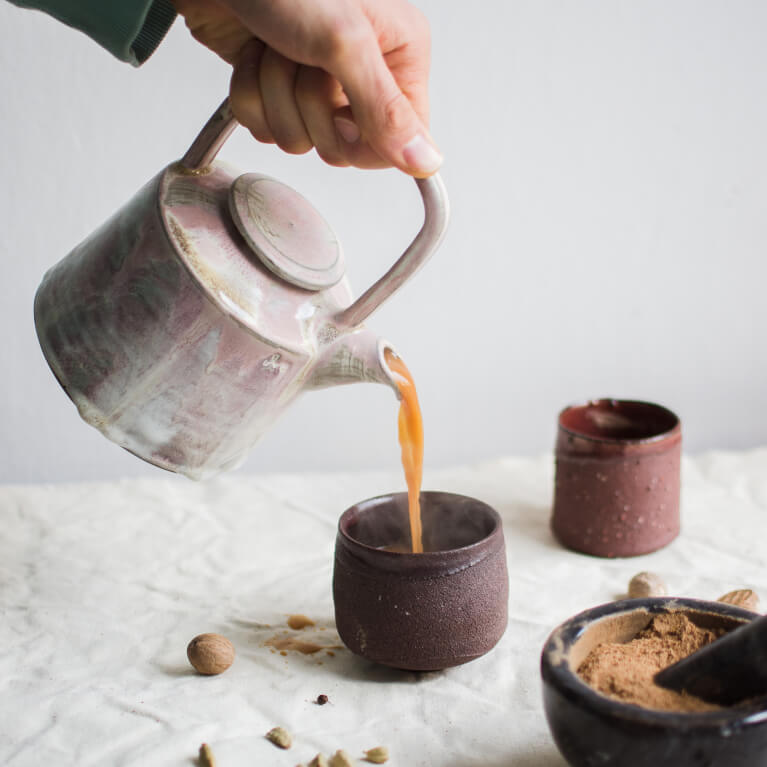
Although some studies suggest that the addition of milk to tea neutralizes the benefits that tea has on heart health, recent research claims that this is not true and that the same amount of catechins (antioxidants that help reduce cancer risk) was absorbed from both plain tea and tea with milk.
2. Mint tea soothes digestive problems
While a cup of herbal tea can soothe an irritated stomach, peppermint is not one of the best choices, as peppermint aggravates acid reflux. A wiser choice would be ginger tea.
3. Tea consumed plain is healthier
The citric acid in lemons or oranges works wonders for the body, so it never hurts to add it to your tea. What's more, citric acid helps preserve flavonoids for longer, and is especially necessary when preparing tea in advance (like making ice teas). Flavonoids are the compounds in tea responsible for many of the benefits of tea.
Also, a small study in 2010 showed that adding honey to tea can make us more productive at work.
4. Fruit tea is tea
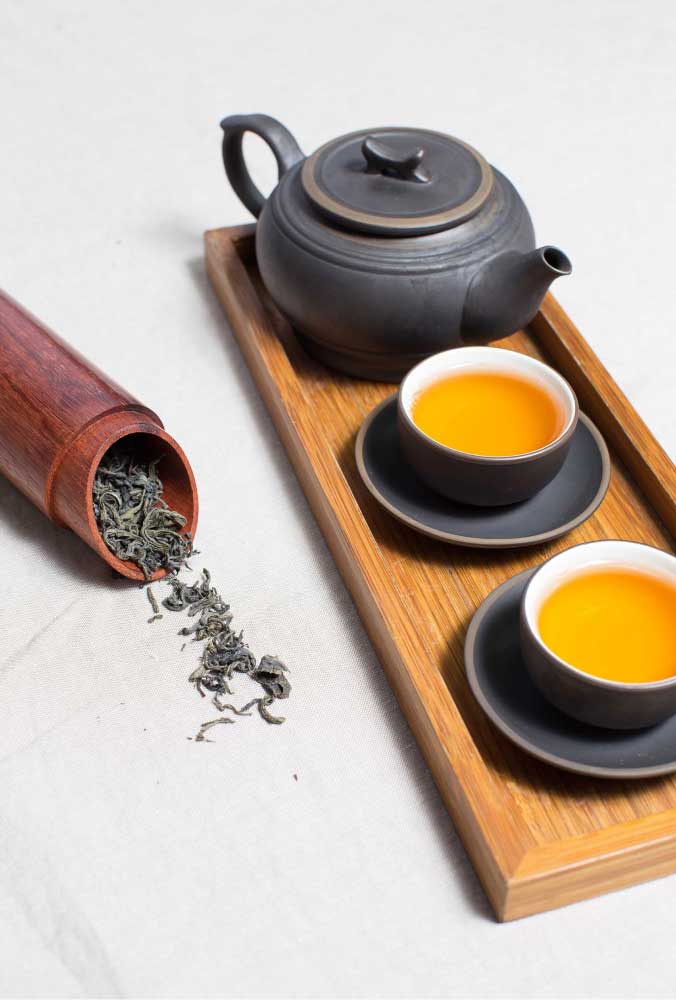
In fact, real tea comes from the Camellia sinensis plant. White, green, black and oolong teas come from this plant. Herbal or fruit teas are basically infusions, not teas.
5. Tea has no expiry date
In fact, the tea has a shelf life of about 6 months. After this period, the tea starts to lose its antioxidants. A 2009 study showed that after 6 months the level of catechins in tea dropped by 32%.
To preserve the properties of the tea as long as possible, store it in a tightly closed container, in a place away from light and moisture.